Tension • Compression • Flexural
Universal Testing Machine
A Complete Guide to Tension, Compression, and Flexural Testing
Universal Testing Systems are the cornerstone of modern material science, providing a versatile platform to evaluate mechanical properties with the precision and repeatability required by rigorous quality control and innovative R&D.
What is a Universal Testing Machine?
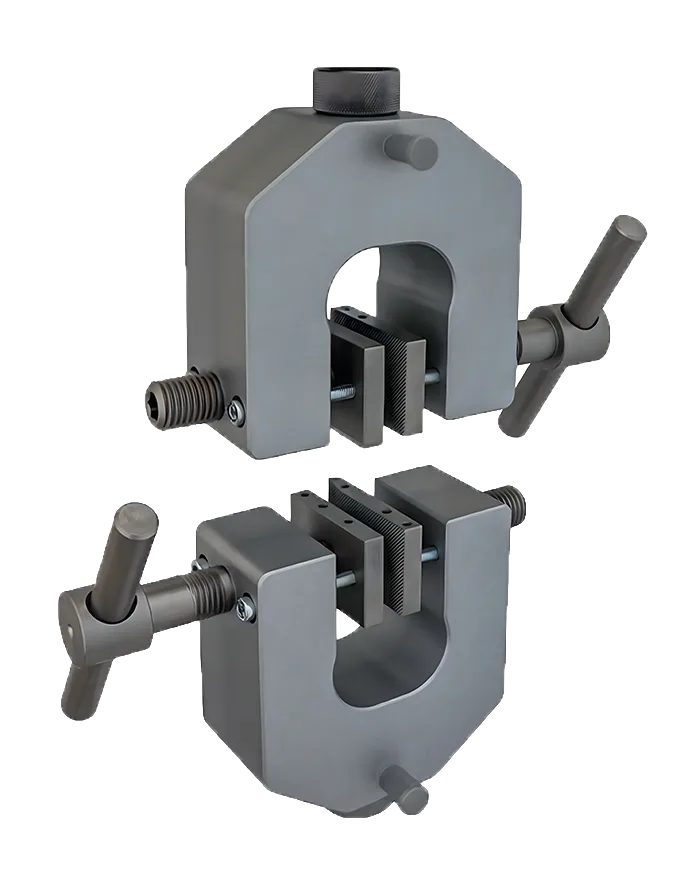
A Universal Testing Machine, also known as a materials testing machine or tensometer, is a standardized system used to evaluate the mechanical properties of materials under various conditions. It is "universal" because it can perform a wide range of tests — including tension, compression, bending, and shear — simply by changing the grips and fixtures.
By simulating real-world forces, UTMs help engineers measure critical data points such as load, stress, strain, elongation, and deformation. These results are vital for verifying material strength, ensuring safety, and validating product designs against international standards.
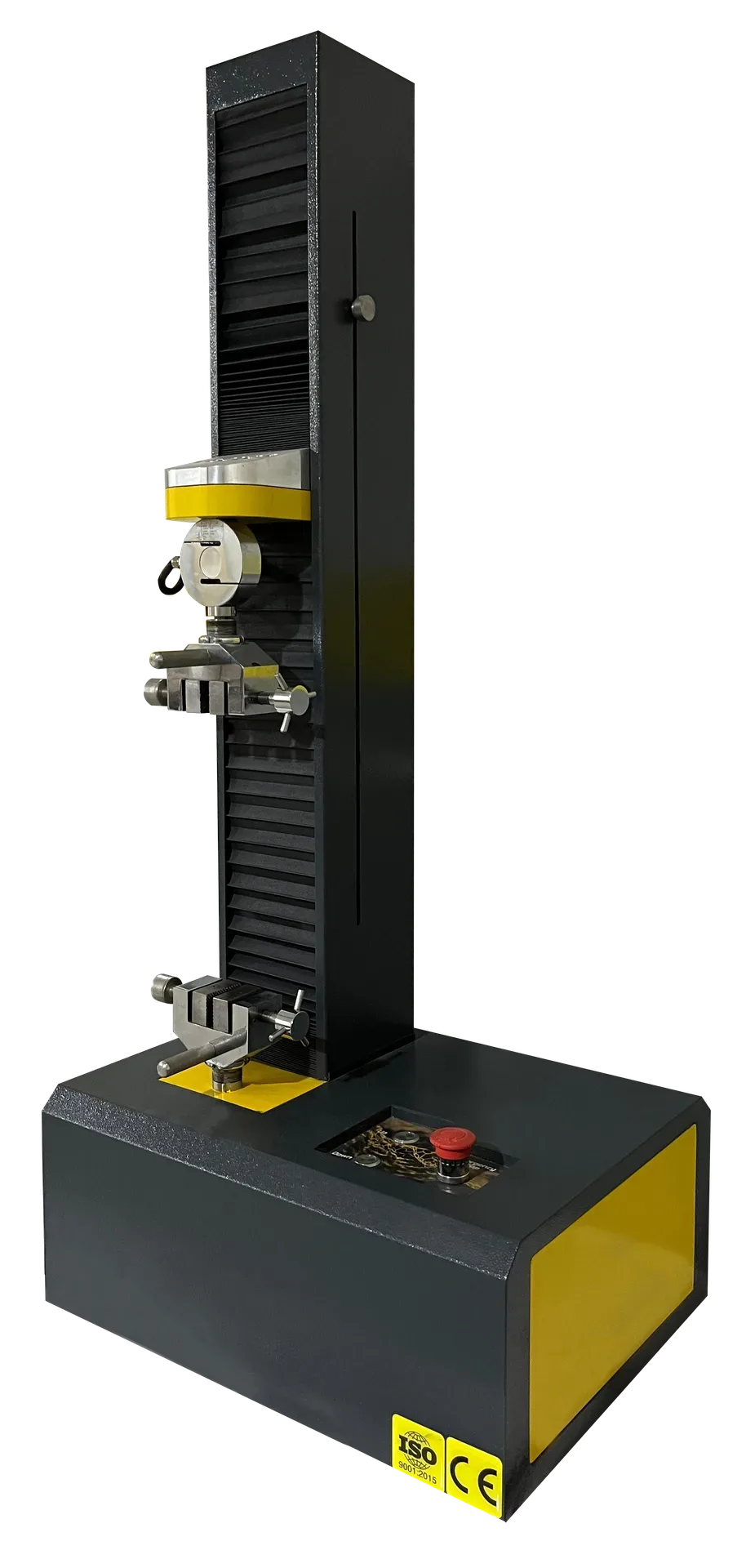
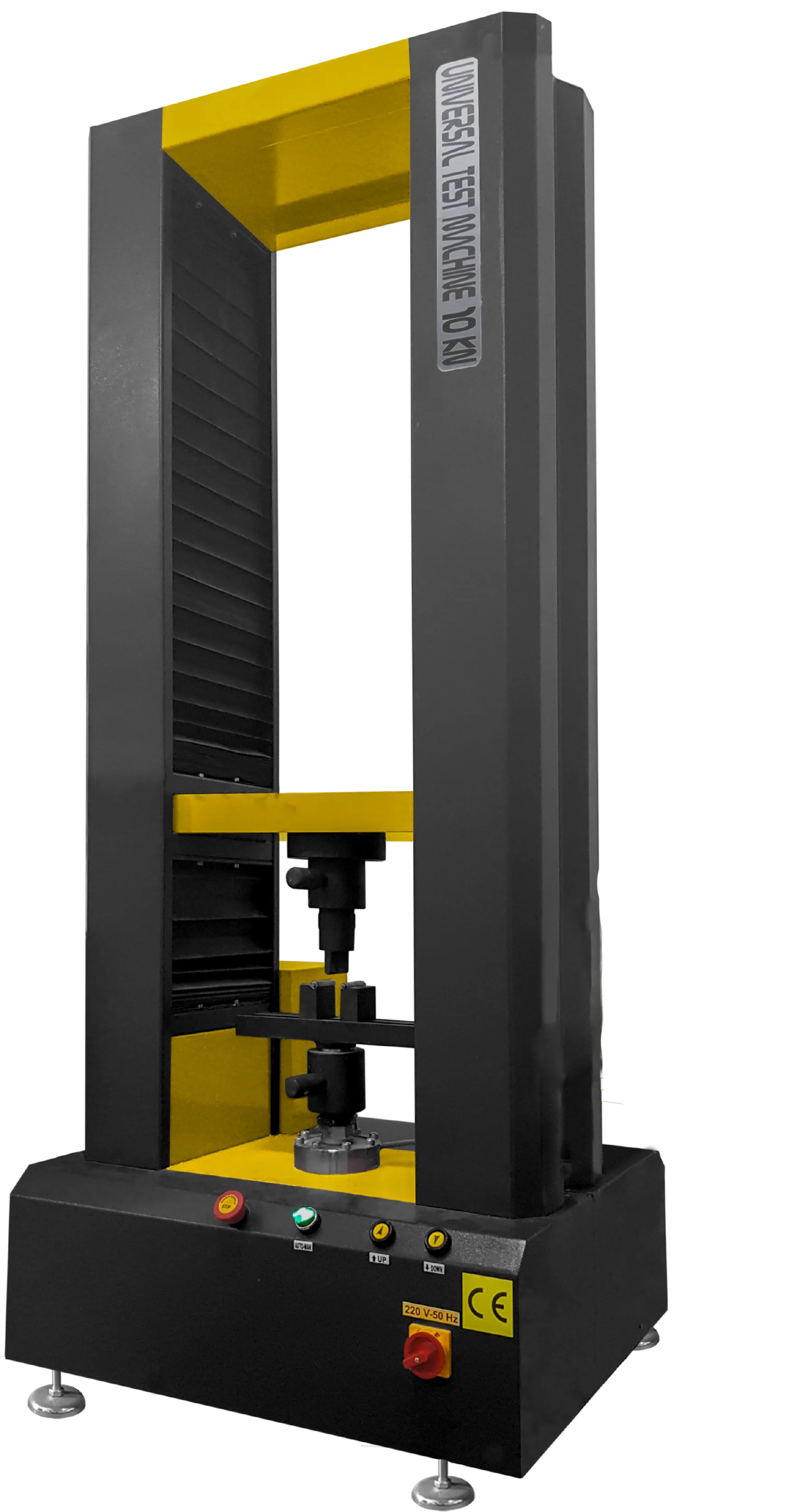
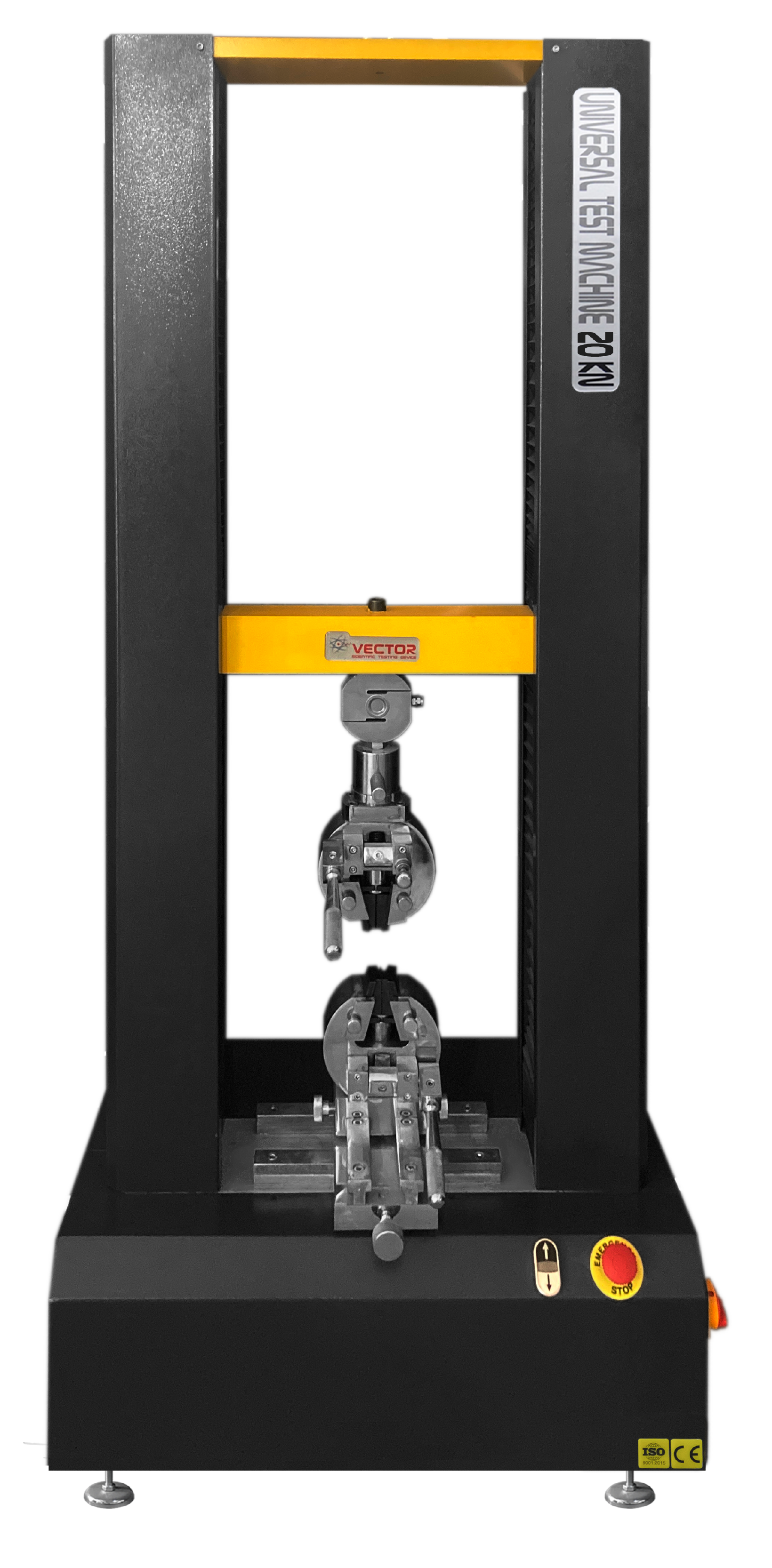
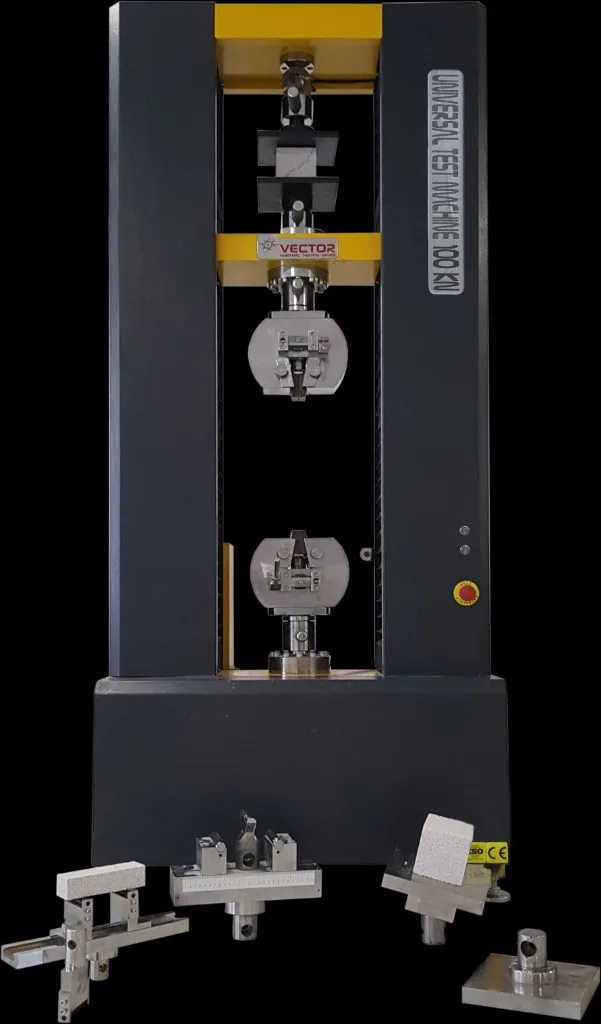
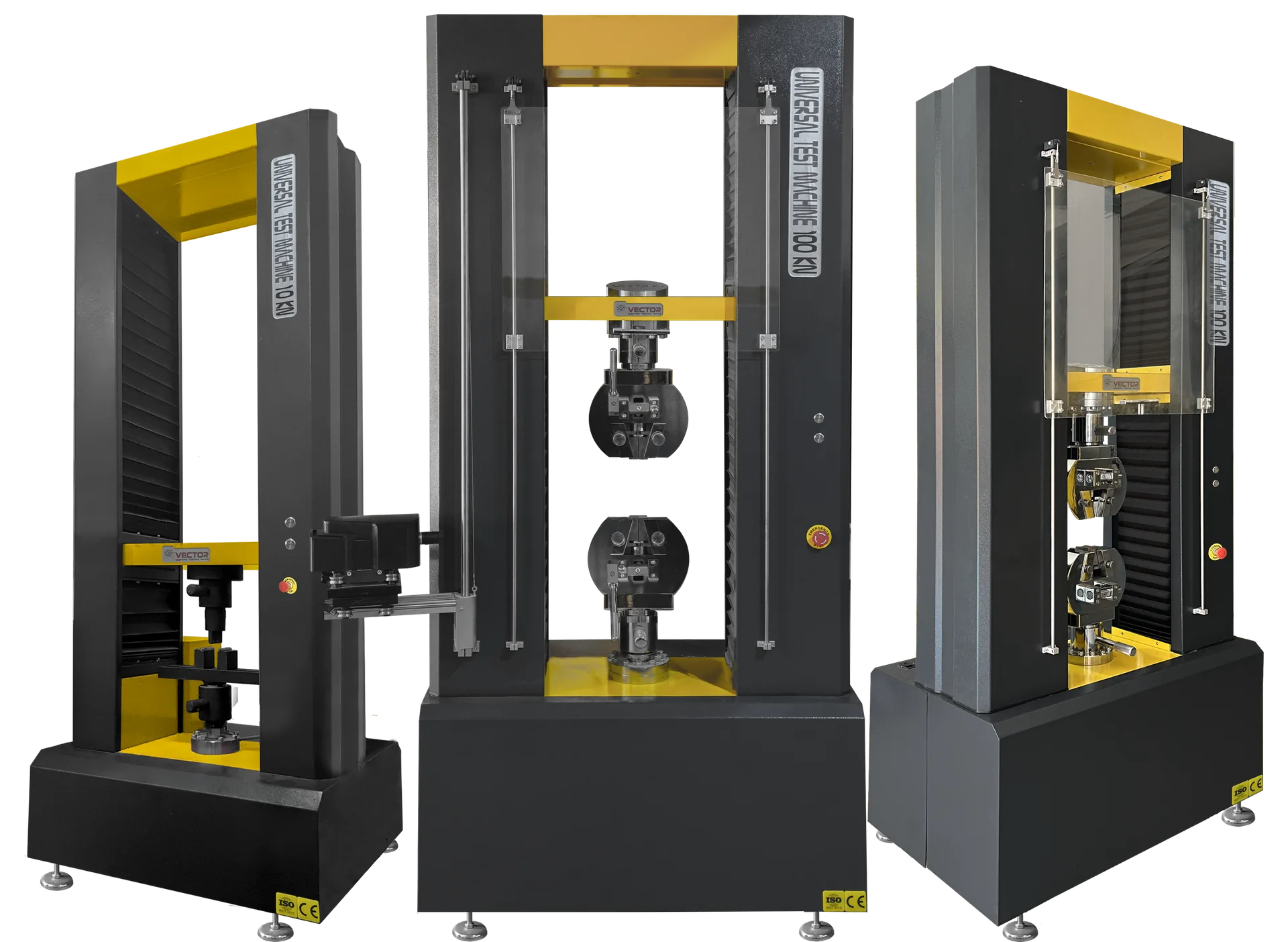
Universal Testing Machine
For test forces up to 300 kN
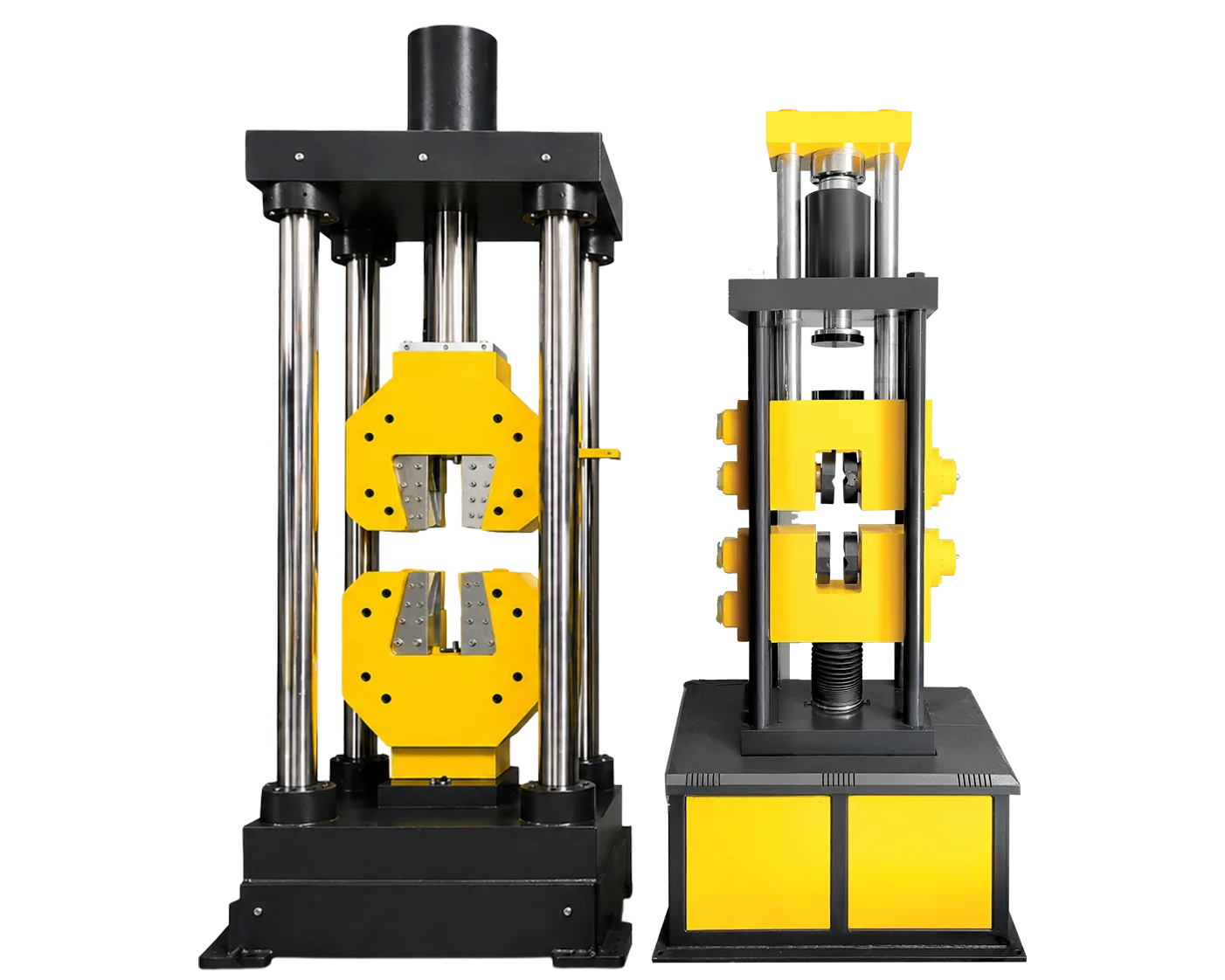
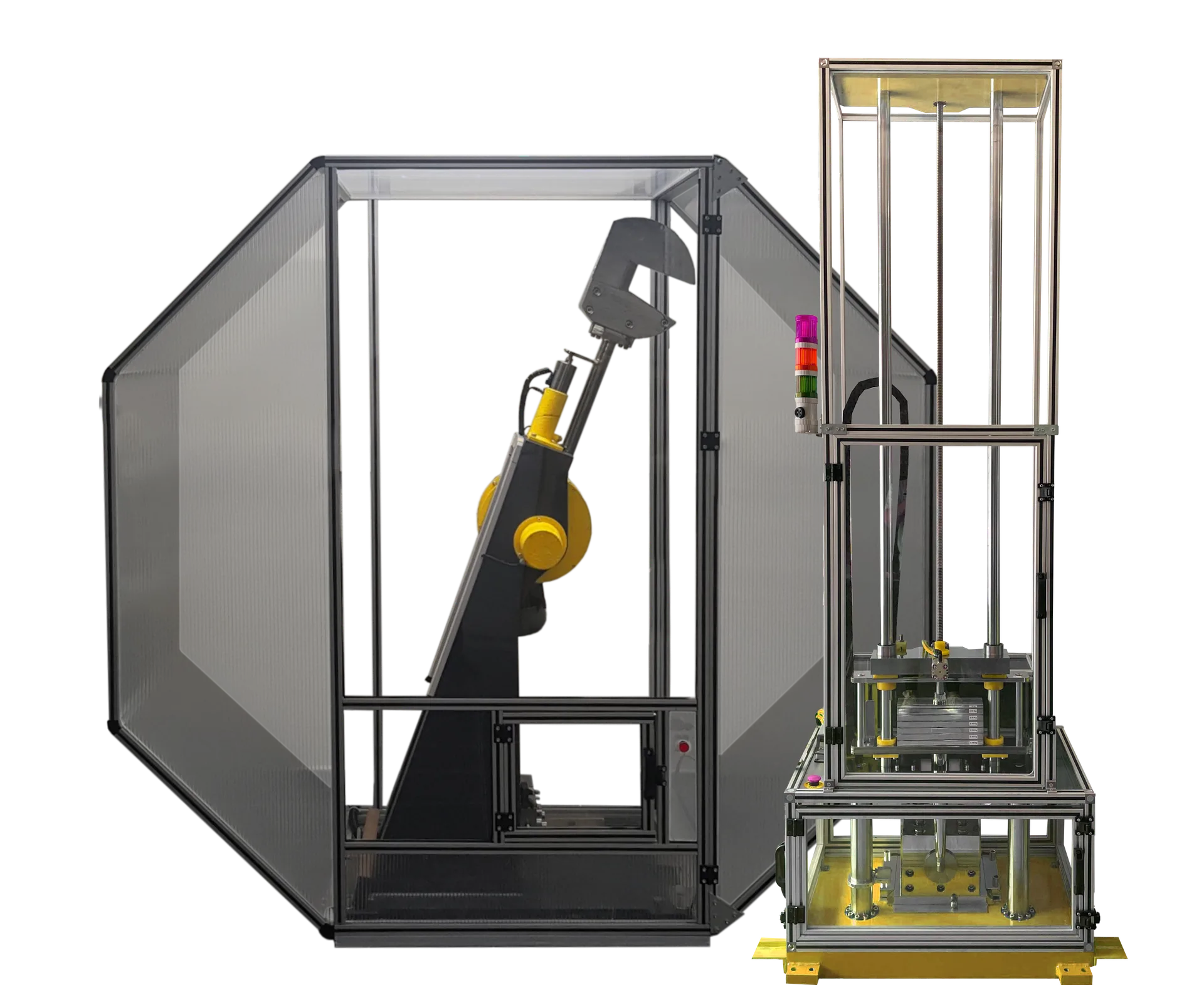
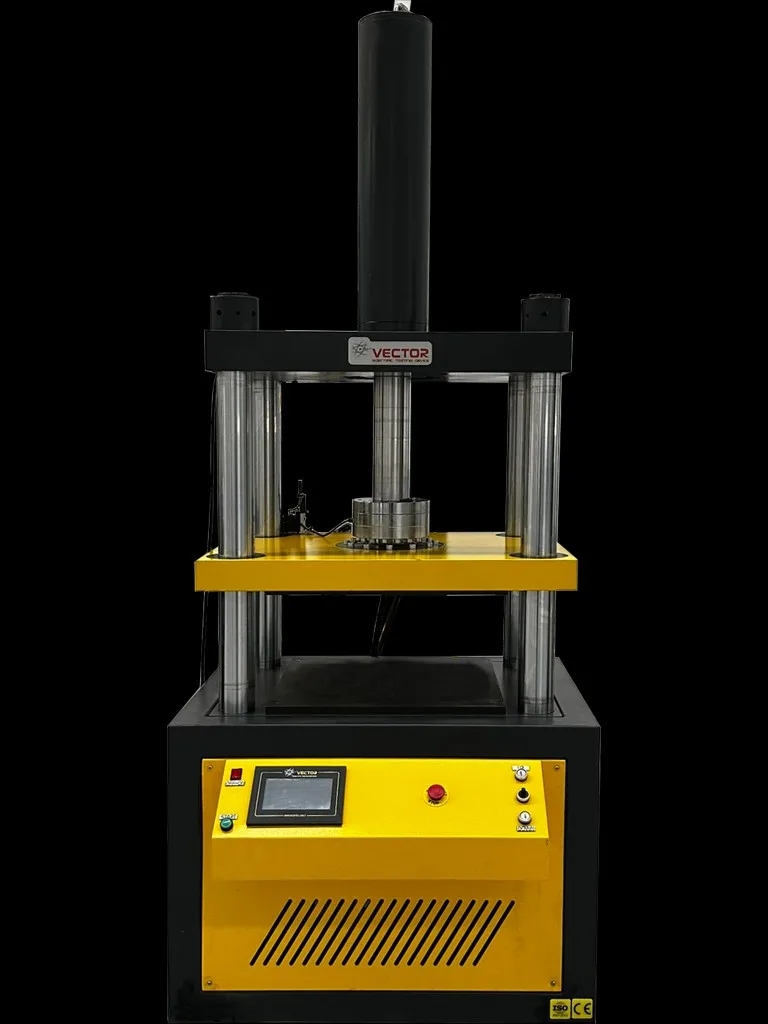
Hydraulic Universal Testing Machine
For test forces up to 1000 kN
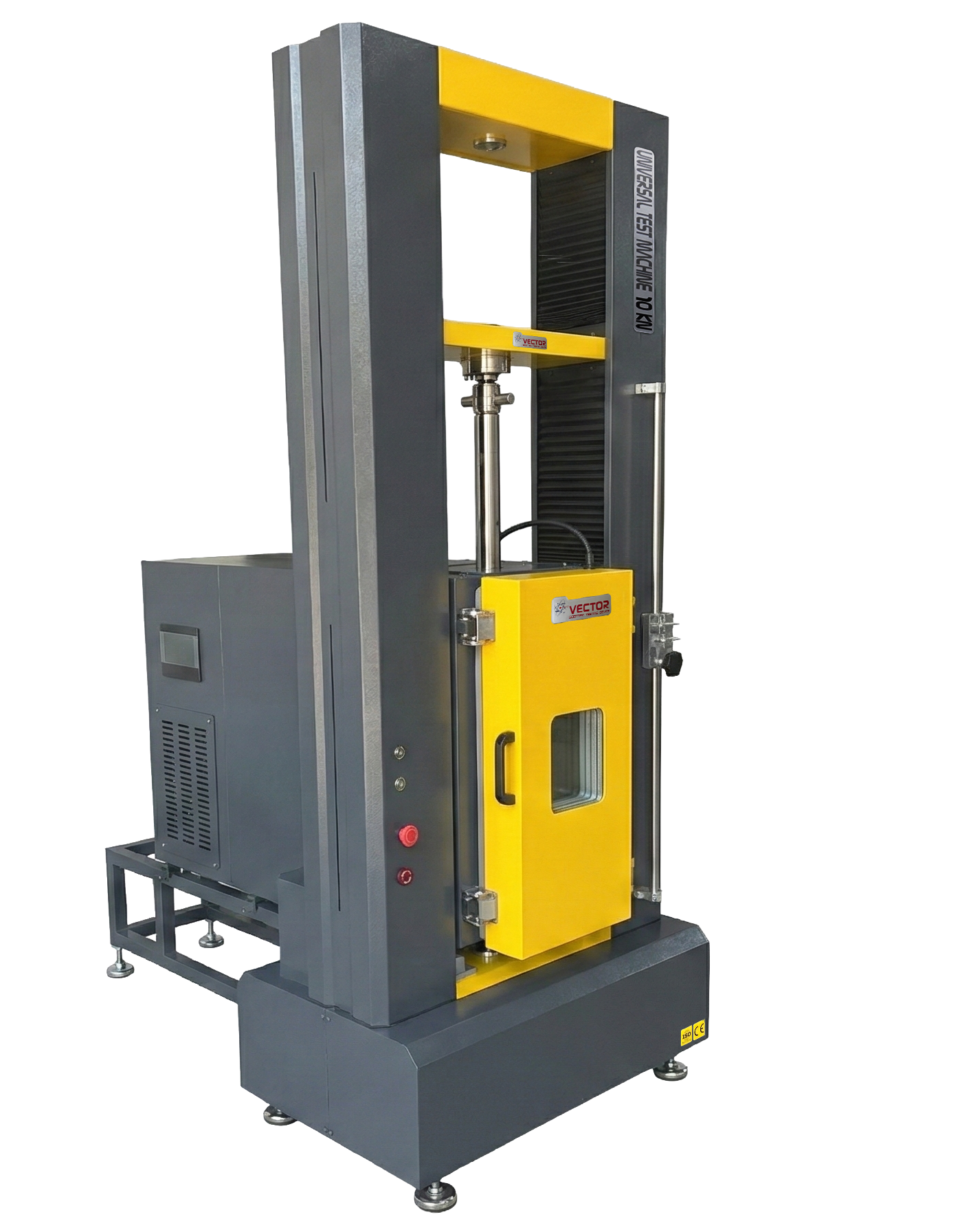
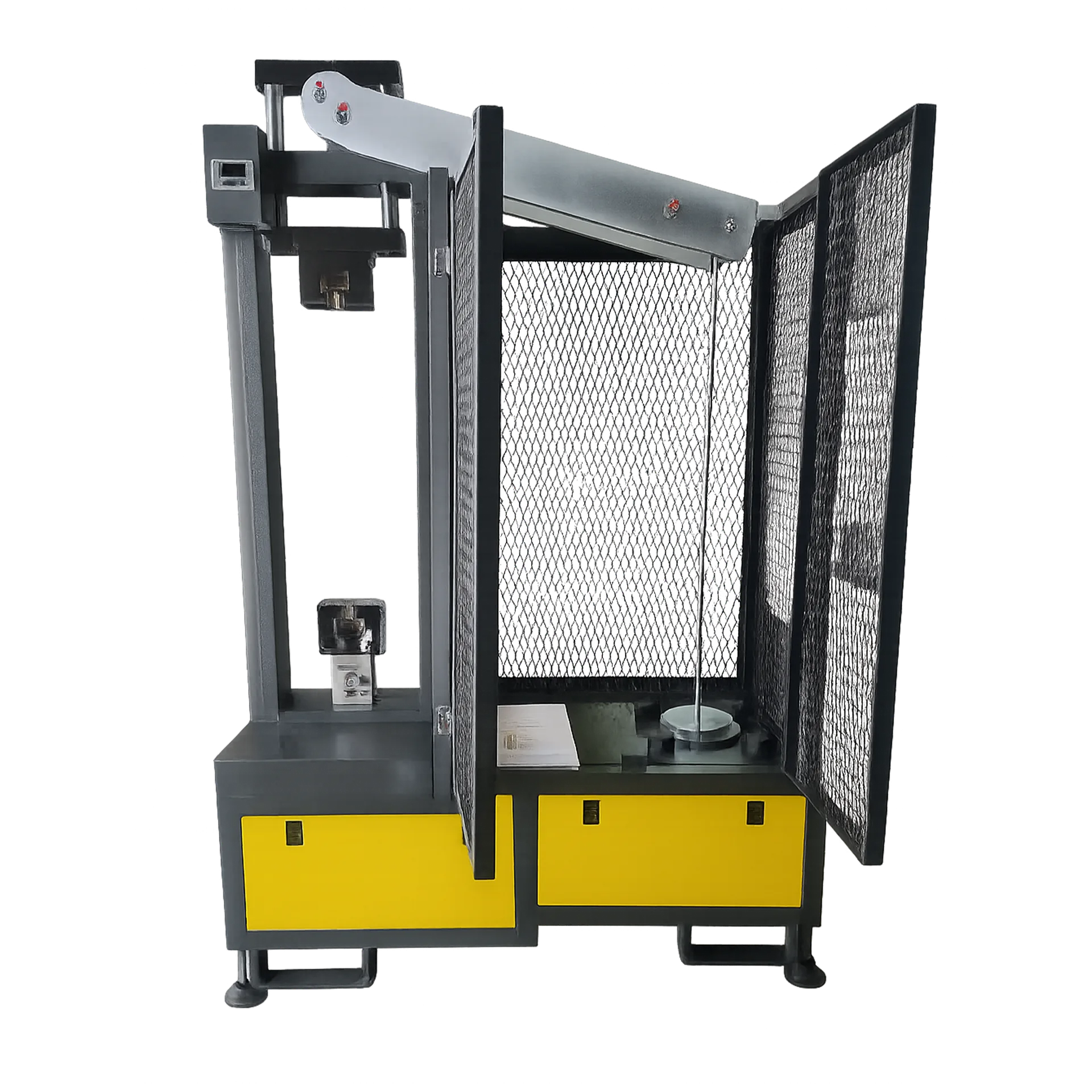
Universal Testing Machine with Environmental Chamber
Set the test temperature yourself
Universal Testing Systems are defined by three primary test modes performed in professional laboratories:
Tensile testing
Pull specimens apart to measure strength, yield, elongation, and elastic modulus.
Compression testing
Crush specimens between platens to characterise compressive strength and crushing resistance.
Flexural testing
Apply bending loads in three- or four-point setups to determine flexural strength and modulus.
Material testing
Material testing is a fundamental discipline in engineering and science that evaluates the physical, mechanical, and chemical properties of materials to determine their suitability for specific applications. It encompasses a wide range of methods — including tensile, compression, hardness, and fatigue testing — each designed to reveal how a material behaves under different conditions and loads.
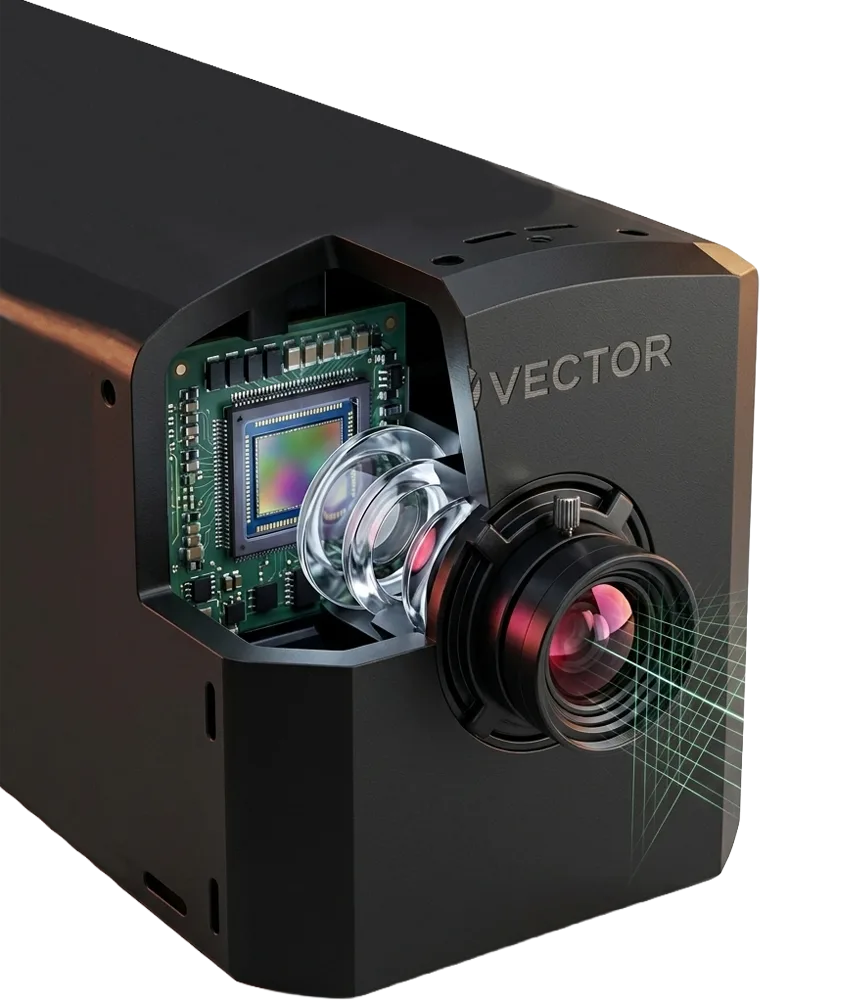
Vector scientific testing devices bring precision and efficiency to this process by integrating advanced sensor technology, real-time data acquisition, and automated analysis into a single platform. These instruments are capable of measuring force, displacement, strain, and temperature simultaneously, providing a comprehensive profile of material behavior with minimal human error.
By offering modular configurations and software-driven test protocols, Vector devices allow engineers and researchers to customize testing procedures for diverse material types — from metals and polymers to composites and biomaterials — making them an indispensable solution in quality control, R&D, and structural validation workflows.
Key Metrics
- Tensile strength
- Yield point
- Elongation at break
- Modulus of elasticity
Applications
- Construction materials
- Aerospace components
- Automotive safety parts
Compression Testing
In compression testing, the specimen is placed between two plates and compressed until it deforms or fails. It is the opposite of a tensile test and characterises a material's resistance to crushing.
Key Metrics
- Compressive strength
- Yield stress
- Crushing resistance
Applications
- Concrete cubes
- Foam materials
- Structural metals
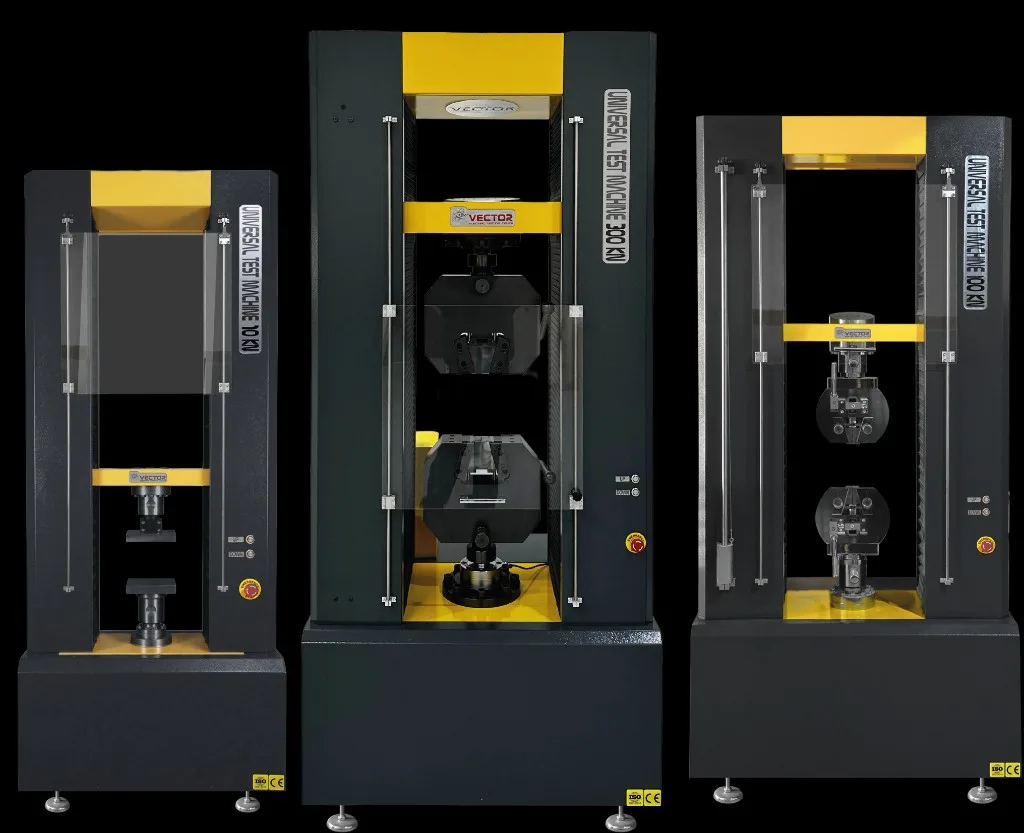
Bending (Flexural) Testing
Bending or flexural testing is a mechanical evaluation method used to measure how a material responds to forces applied perpendicular to its longitudinal axis. By subjecting a specimen to a controlled bending load — typically via three-point or four-point loading configurations — engineers can determine flexural strength, flexural modulus, and resistance to deformation before fracture.
Vector scientific testing devices deliver exceptional accuracy in flexural testing by combining high-resolution load cells with precision deflection measurement systems. Software-controlled fixtures allow seamless switching between three-point and four-point setups, while real-time graphing and automated stress-strain calculation eliminate manual post-processing and shorten test cycle times.
From concrete beams and timber to advanced composites, ceramics, and medical-grade polymers, Vector flexural testing solutions cover a broad spectrum of industries and standards — including ASTM D790, ISO 178, and EN 843 — making them a reliable choice for product development, failure analysis, and regulatory compliance testing.
Key Metrics
- Flexural strength
- Flexural modulus (stiffness)
- Ductility
Applications
- Plastics
- Ceramics
- Reinforced composites
Electromechanical vs. Hydraulic Universal Testing Machines
The choice between electromechanical and hydraulic systems typically depends on the force requirements and the material being tested. Each drive principle offers advantages aligned to different laboratory needs.
 Specification
 The Vector portfolio covers both drive principles, allowing laboratories to select the optimal solution for each application without compromise.
Vector VTR Series: Precision Engineering
Vector's Universal Testing Systems are designed for high-throughput laboratories that require uncompromised data integrity. The Tesla Series covers a broad spectrum of load capacities:
- VTR-40-0050 (0.5–5 kN) — Ideal for low-force applications such as polymers, textiles, and micro-components.
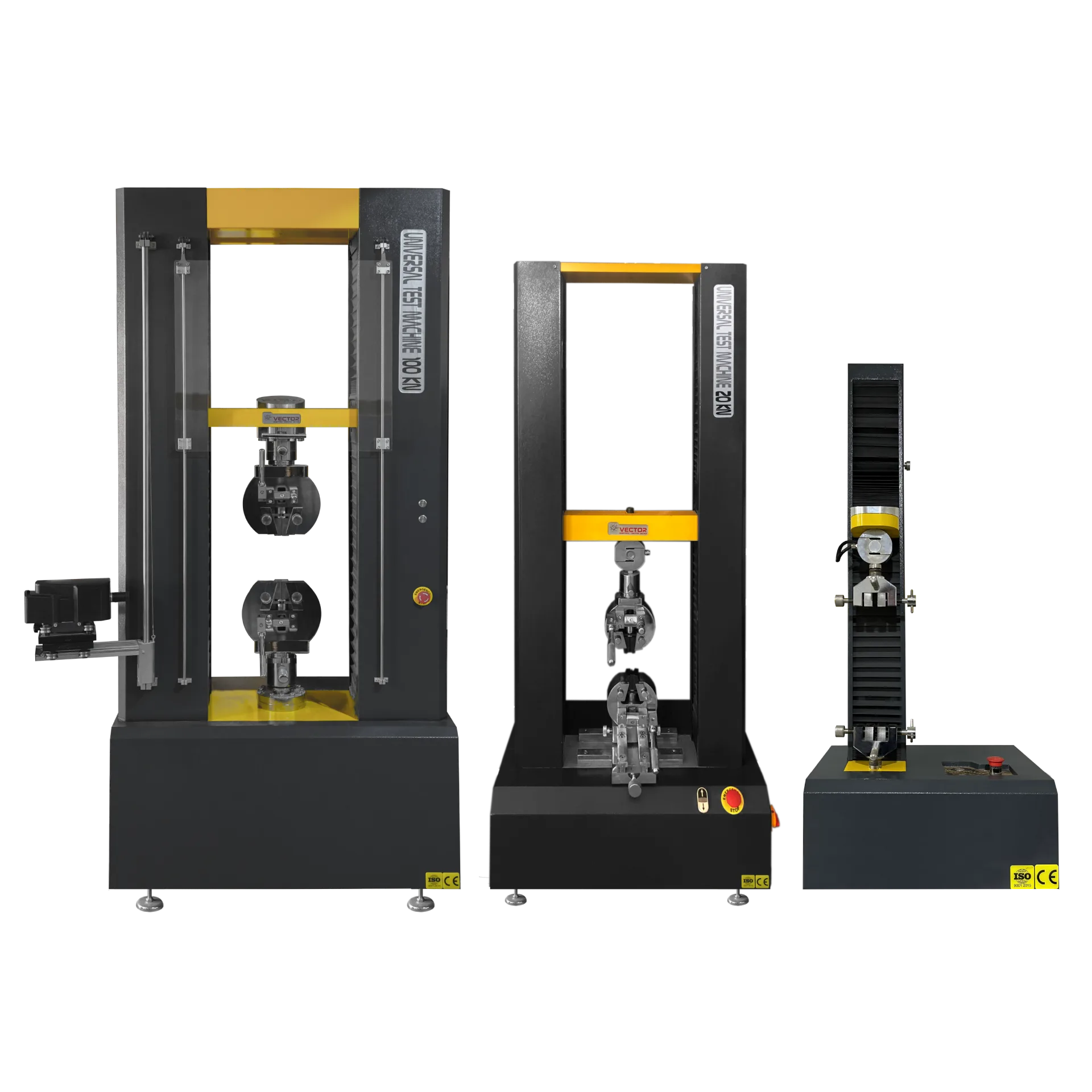
- VTR-40-0500 (5–50 kN) — A versatile double-column system for plastics, composites, and medium-strength metals.
- VTR-40-1000 (100–300 kN) — High-capacity double-column machines for heavy-duty industrial materials.
- VTR-50-0500 (Hydraulic) — Engineered for high-force tensile and compression tests on structural specimens.
Advanced Software and Control — Tesla Software
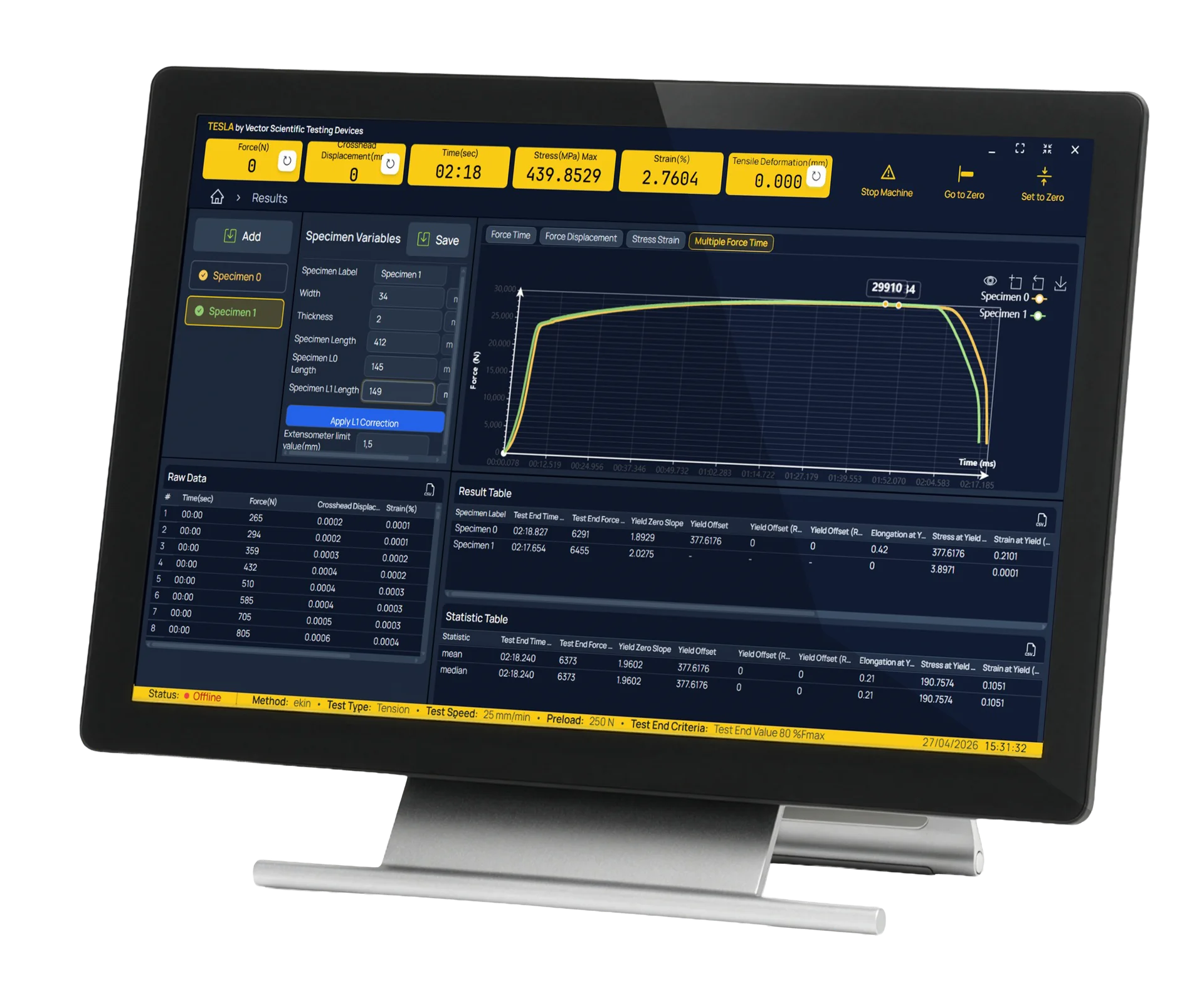
Modern testing demands more than raw force; it requires intelligent data analysis. Vector's Tesla Test Software delivers end-to-end control of tensile, compression, and flexural tests with real-time data acquisition, automated reporting, and compliance with global standards.
Real-time Graphing
View force-displacement and stress-strain curves live as the test progresses.
Standard Compliance
Pre-loaded templates for ASTM, ISO, DIN, and EN standards.
Automated Reporting
Generate comprehensive test certificates with a single click.
Applications and Industries
Universal Testing Machines are essential across diverse industries to ensure regulatory compliance and product safety.
Aerospace
Testing lightweight composites for Compression After Impact (CAI) and tensile integrity.
Automotive
Evaluating the strength of fasteners, seatbelt webbing, and bumper materials.
Civil Engineering
Assessing the compressive strength of concrete and the tensile yield of reinforcement bars (rebar).
Medical Devices
Testing the peel strength of packaging and the mechanical limits of implants.
Defense
Evaluating armor plates, ballistic composites, and military-grade fasteners for strength and reliability under high loads.
Metals and Composites
Characterising yield, tensile strength, and modulus of steels, aluminum alloys, and carbon-fiber composites.
Frequently Asked Questions
What tests can be performed on a UTM?
A UTM is capable of tensile, compression, bending, shear, and peel tests. Its versatility comes from interchangeable fixtures.
How do I choose the right capacity (kN) for my machine?
You should choose a machine where your expected maximum test load falls between 20% and 80% of the machine's full-scale capacity for optimal accuracy.
How often should a UTM be calibrated?
To maintain compliance with ISO 7500-1 or ASTM E4, UTMs should typically be calibrated annually by an accredited service provider.
Conclusion
Whether you are performing routine quality control or complex material research, Vector's Universal Testing Systems provide the accuracy, durability, and software integration needed to succeed.
By combining VTR Series hardware with Tesla control software, laboratories achieve a seamless workflow from sample preparation through to final analysis.