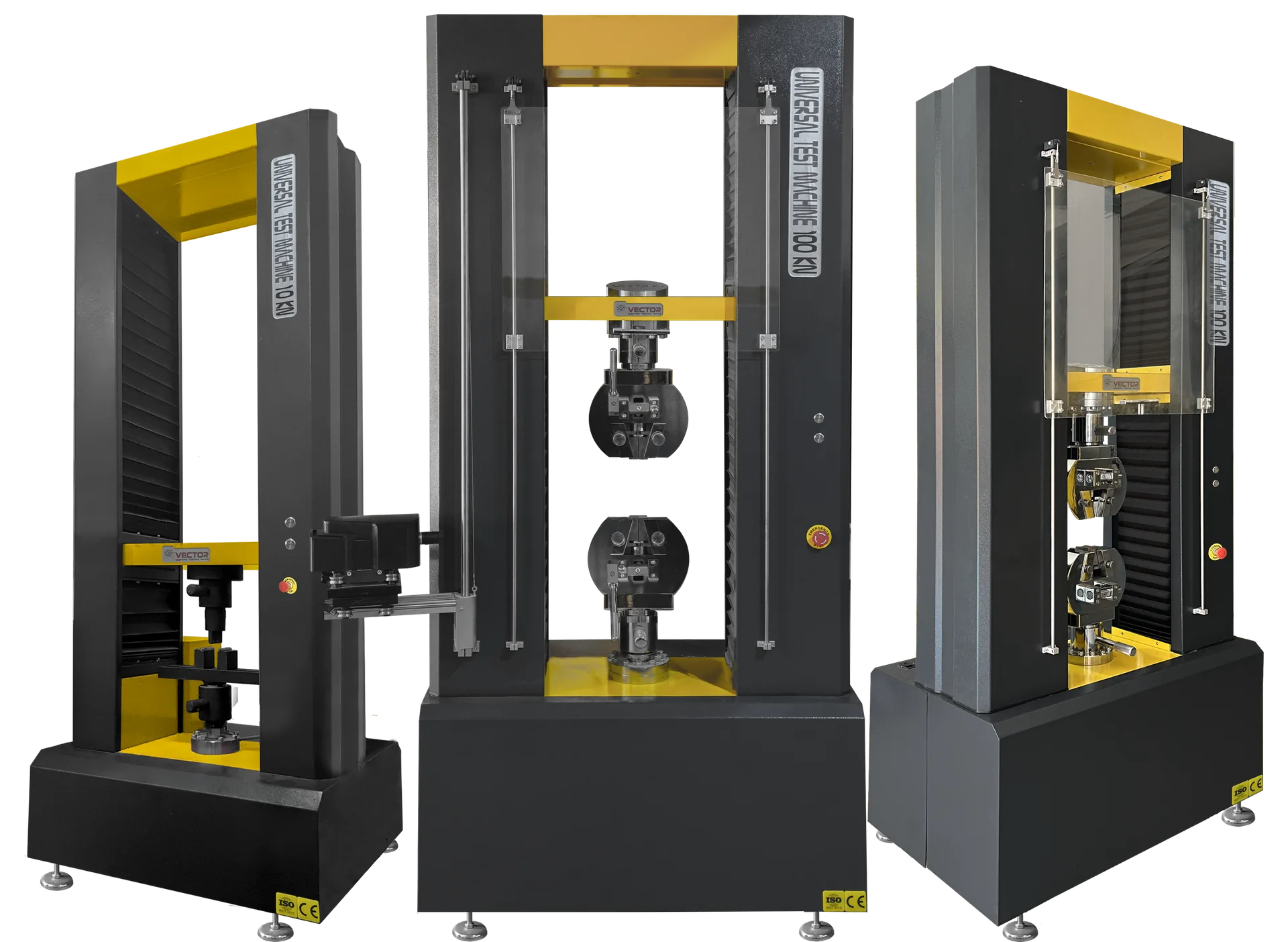
Describes practices to verify the force-indicating systems of static and quasi-static testing machines so that applied forces remain within ±1.0 % relative error over the stated verified range, primarily using ascending-load procedures.
ASTM E4
Revision: 2021
Material testing
Practices for force verification of testing machines
Describes practices to verify the force-indicating systems of static and quasi-static testing machines so that applied forces remain within ±1.0 % relative error over the stated verified range, primarily using ascending-load procedures.
Test method
Forces are applied in a series of steps with traceable standards; relative error is computed at each verification force. Unless otherwise specified, verification emphasizes increasing load; the lowest force meeting the ±1.0 % limit defines the start of the verified range.
Specimen requirements
Verification uses reference force standards, not test specimens. Machine geometry, adapter stiffness, and environmental stability shall be controlled; warm-up and zeroing procedures follow E4 annex guidance.
ASTM E4 is the North American counterpart to ISO 7500-1. Instead of Class 0.5 / 1 / 2 tiers, E4 sets a single ±1.0 % relative error limit across the verified interval. The first force step that still meets the limit becomes the machine’s documented range start—critical for marketing 50 kN and 300 kN capacity because low-load performance depends on load-cell quality and amplifier gain.
E4 verification typically runs ascending load unless a contract explicitly requires descending checks. ISO 7500-1 often examines reversibility and hysteresis in more detail.
| Topic | ISO 7500-1 | ASTM E4 |
|---|---|---|
| Primary markets | Europe, Asia, international EN ISO | North America and ASTM-centric specs |
| Classification | Class 0.5, 1, 2 (relative error bands) | No classes; ±1.0 % target |
| Error treatment | Relative error, repeatability, reversibility | Total relative error in verified range |
| Load direction | Increasing and decreasing commonly assessed | Ascending load by default |
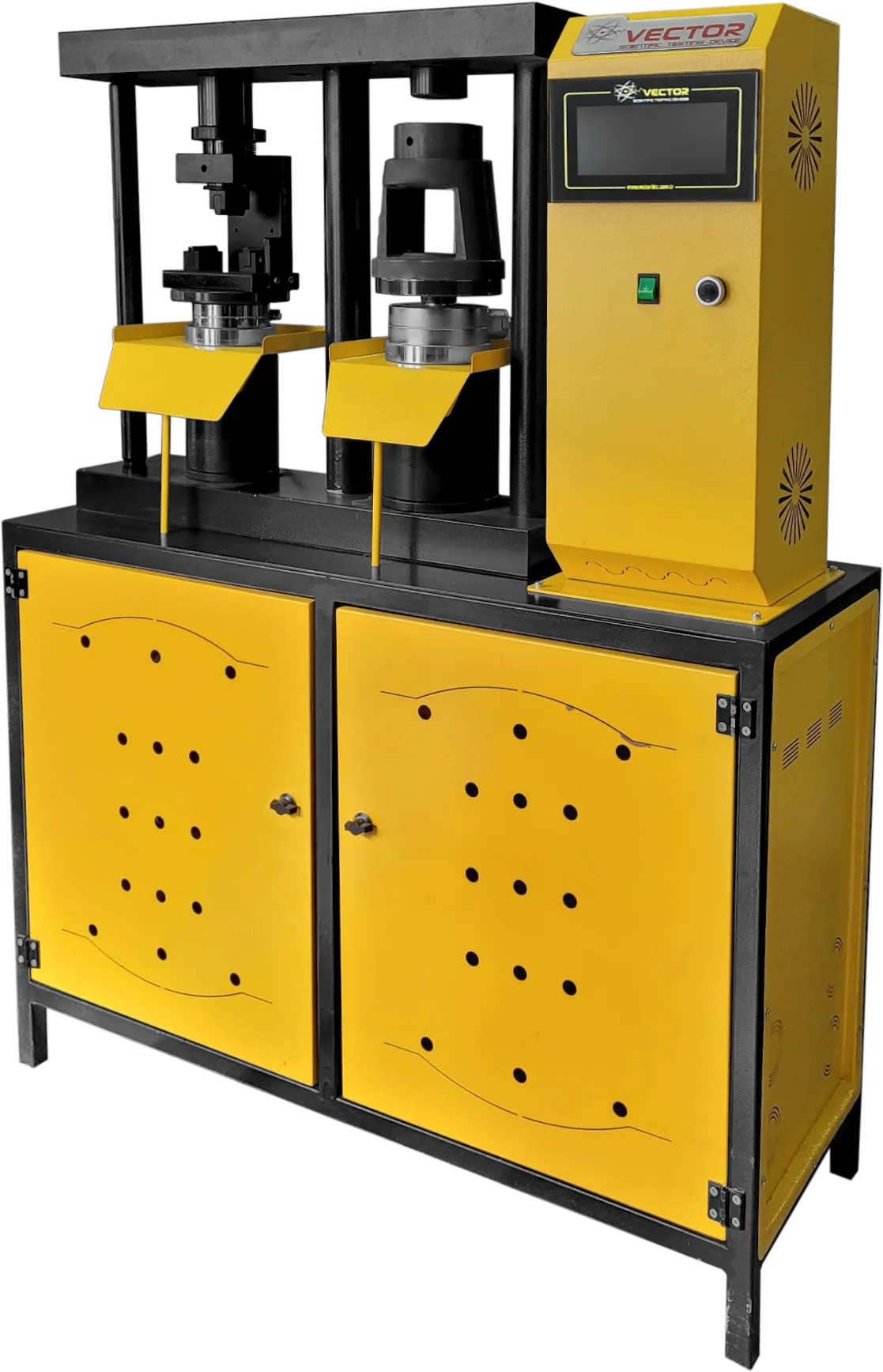
Vector documents force verification for hydraulic and electromechanical frames so customers can align calibration certificates with either ISO or ASTM quality systems before running metals programmes such as ASTM E8/E8M or ISO 6892-1.